Bulk Commodities Logistics Solutions by SFA Logistics Park | Integrated Bulk Logistics Services

Efficient handling of bulk commodities is the backbone of industrial growth, infrastructure development, and manufacturing supply chains. From steel and cement to minerals and industrial raw materials, bulk cargo demands specialized infrastructure, precise coordination, and cost-efficient transportation. SFA Logistics Park Pvt. Ltd. delivers a future-ready logistics ecosystem designed specifically to meet the complex needs of high-volume bulk movement across Eastern India and beyond. Located at Dankuni, West Bengal - one of the most strategic freight corridors in the region - SFA Logistics Park provides an integrated multimodal environment that enables industries to move bulk cargo faster, safer, and more sustainably. The focus is not just on movement, but on optimizing the entire value chain of storage, handling, and distribution.

Ready to Transport?

Drop Us a Line
vector-image

Specialized Infrastructure for Bulk Commodities Handling

Handling bulk cargo is fundamentally different from containerized freight. It requires expansive yards, full-rake rail access, heavy-duty handling equipment, and seamless truck-rail coordination. SFA Logistics Park Pvt. Ltd. has been purpose-built to address these exact requirements, offering an ecosystem where commodities logistics operates without bottlenecks.

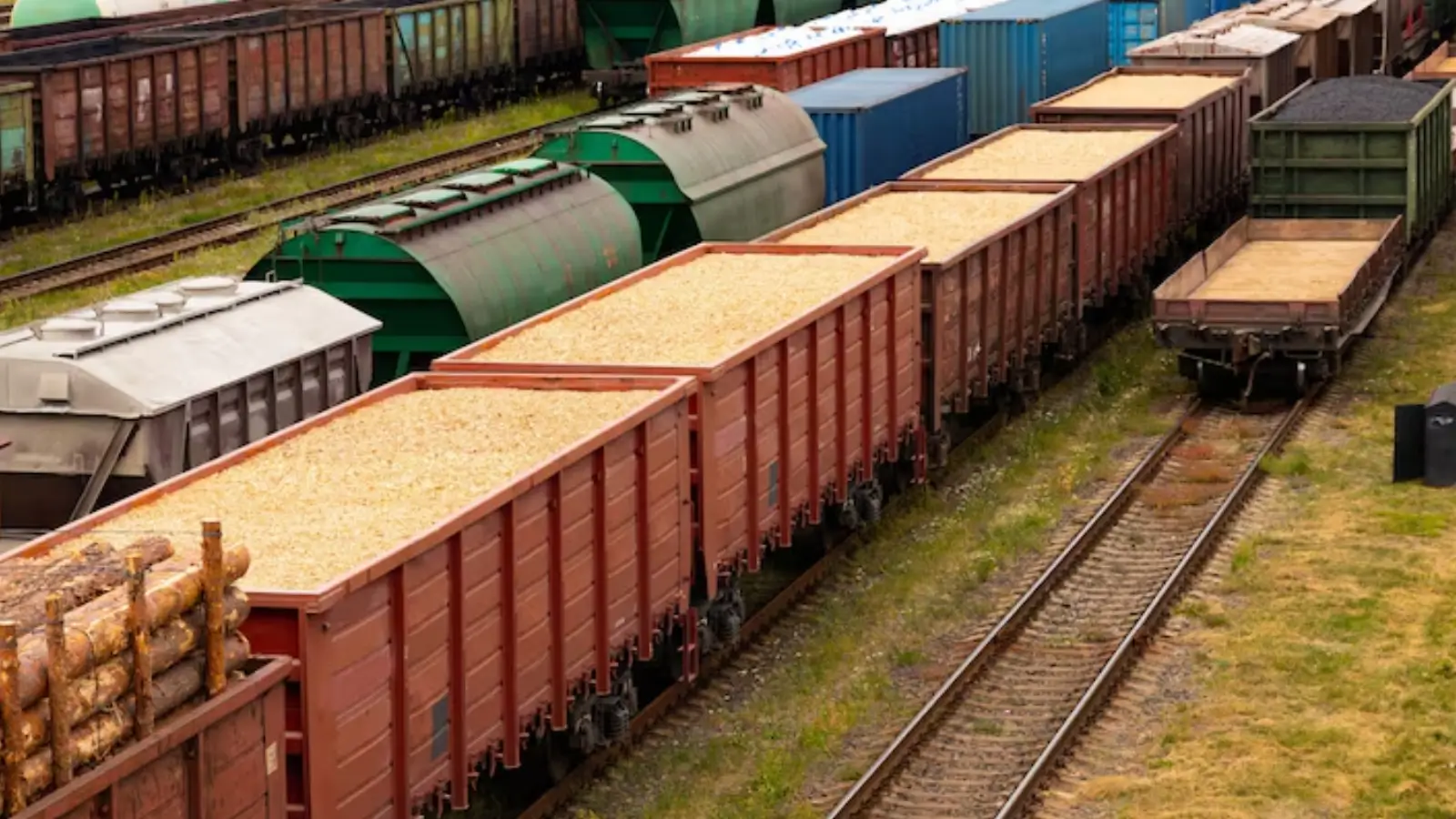
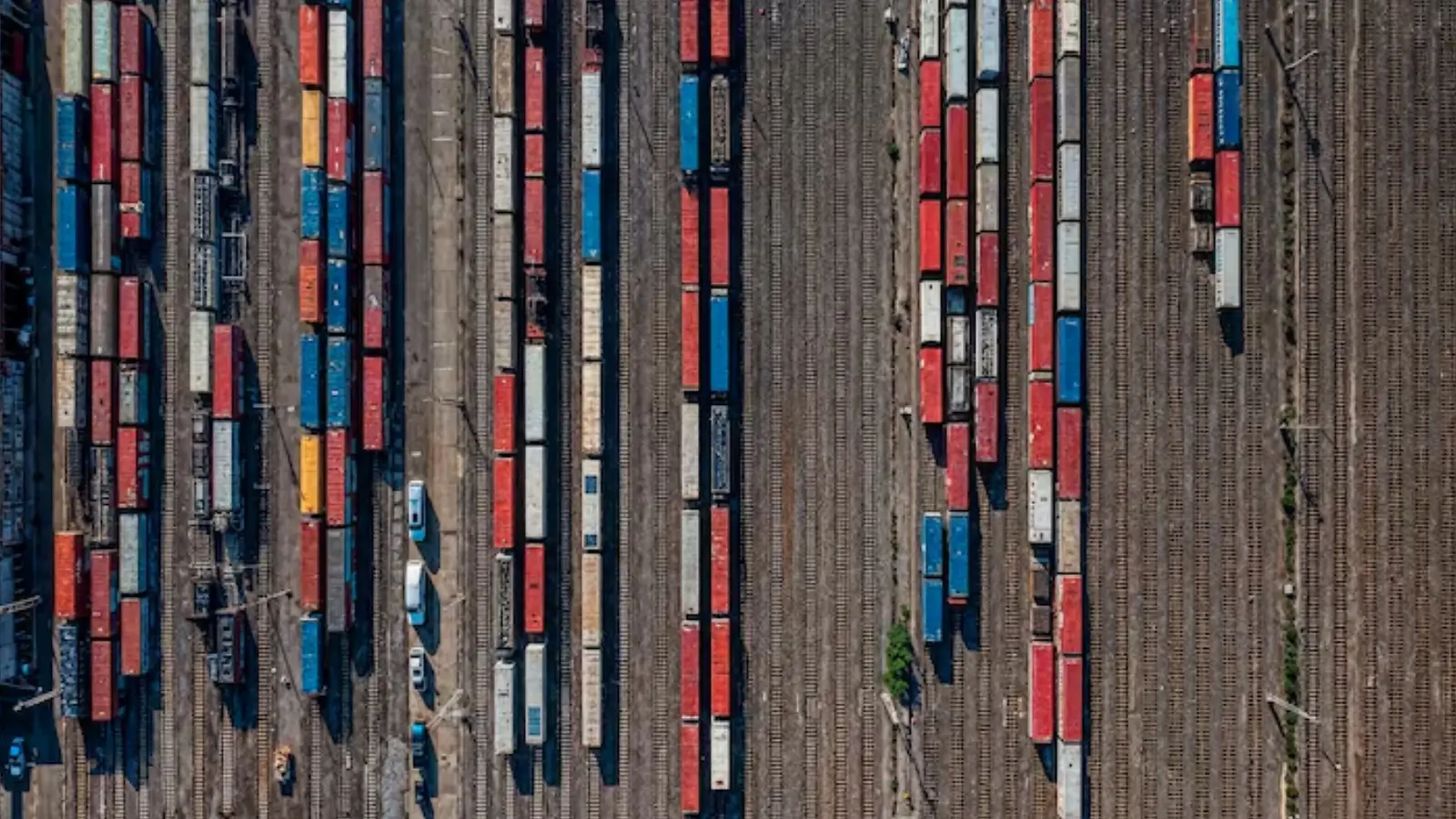
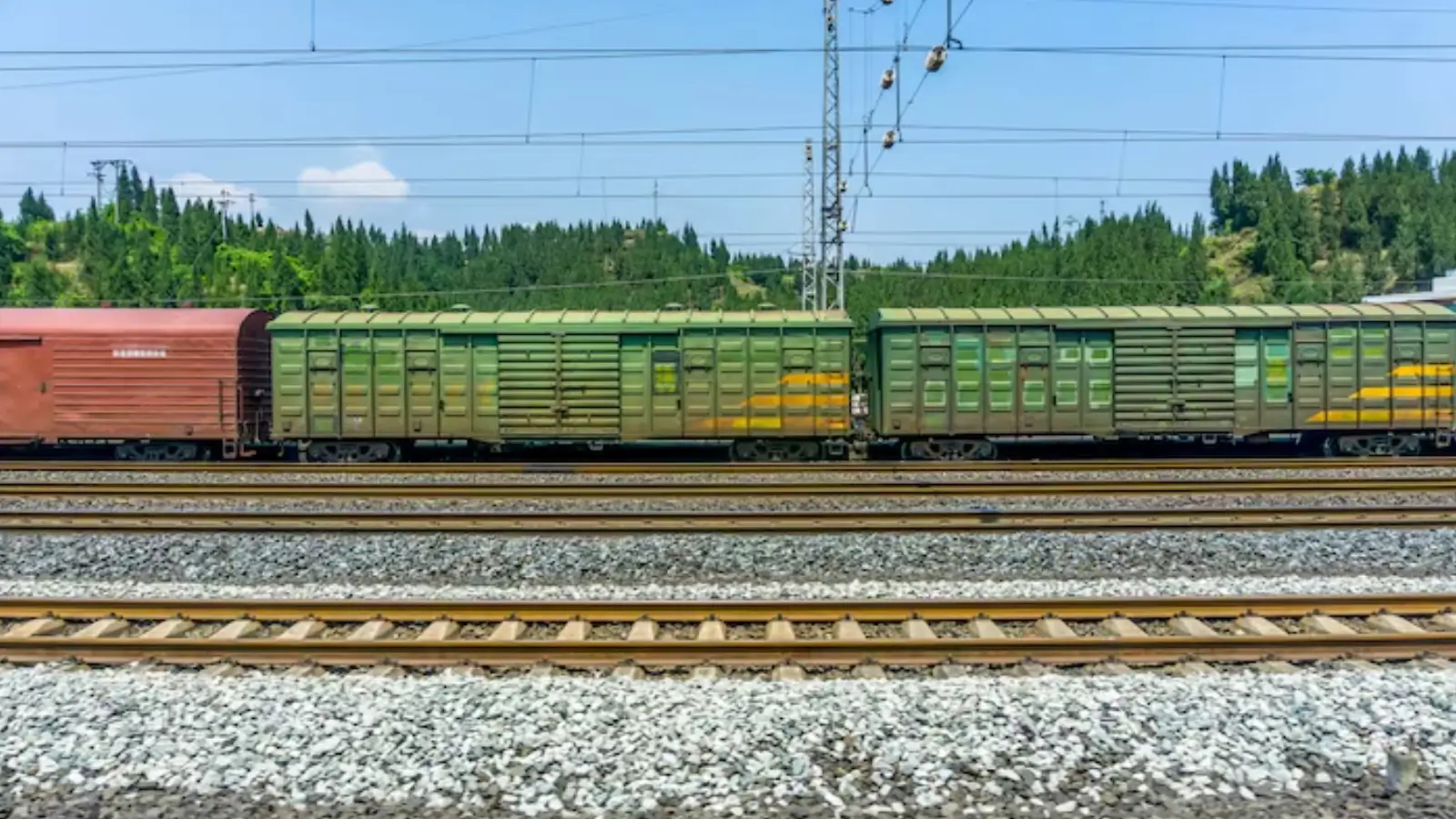
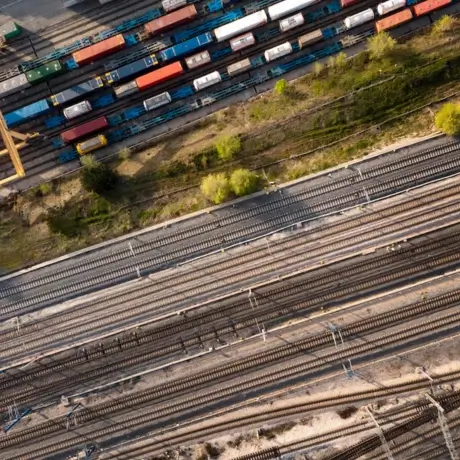
  • The logistics park supports uninterrupted bulk cargo flow through rail-integrated infrastructure that allows full-length rake placement and faster turnaround. This rail-first approach ensures consistent capacity availability, minimizes dwell time, and significantly reduces freight costs compared to road-only transportation. For industries dealing with large tonnage movement, this reliability translates into predictable supply chains and better working capital efficiency.
banner-image

24X7 OPERATIONAL

vector-image

EOL SERVICES

vector-image

RAKE HANDLING

vector-image

CCTV CAMERA

vector-image

WAREHOUSING

vector-image

CONTAINER YARD

vector-image

Speak to Our Team | Book a Site Visit

63940 32103
feature-image feature-image

Rail-Road Integration for Cost-Effective Bulk Logistics Services

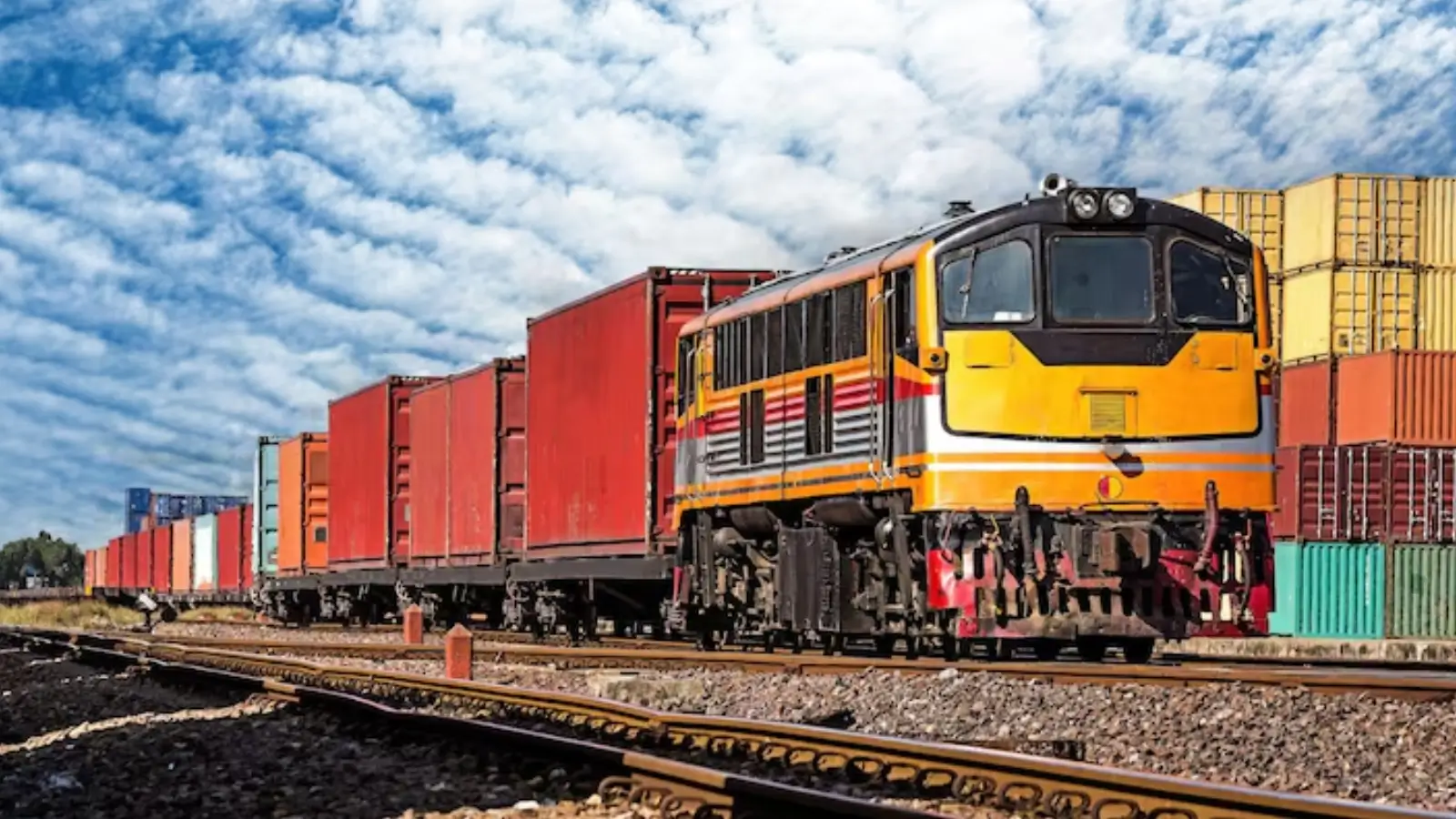
One of the biggest challenges in bulk logistics services is managing the interface between road transport and rail freight. SFA Logistics Park eliminates this challenge by offering a seamlessly connected rail-road ecosystem within a single logistics zone. Bulk cargo can be received by trucks, stored in designated yards, loaded onto rakes, and dispatched without unnecessary re-handling.

  • Reduced cargo loss risk
  • Improved cargo safety standards
  • Faster operational cycle times
  • Cost-effective rail bulk transport
  • Efficient interstate long-haul movement
  • Up to 40% cost savings

Strategic Advantage for Bulk Commodity Movement

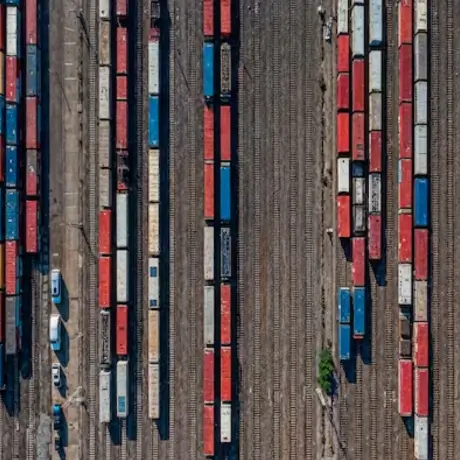
Dankuni’s location makes SFA Logistics Park a critical node for bulk cargo distribution across Eastern and North-Eastern India. Its proximity to major industrial belts, ports, and freight corridors allows bulk commodities to move efficiently across multiple states. This strategic positioning supports industries such as steel, cement, power, infrastructure, and heavy engineering that rely on continuous, high-volume material flow.

  • By operating from a no-entry-restriction logistics zone with 24×7 access, companies can plan dispatches without delays caused by urban congestion. This is particularly valuable for bulk commodities, where even small delays can disrupt large-scale production schedules.
banner-image

Supporting Core Industrial Sectors

SFA Logistics Park Pvt. Ltd. plays a vital role in supporting industries that form the backbone of India’s economy. Steel manufacturers, cement producers, infrastructure developers, and logistics operators rely on the park’s bulk-handling expertise to maintain steady supply lines. The park’s ability to manage large volumes with consistency makes it an ideal logistics base for enterprises operating at scale.

By offering reliable commodities logistics, the park enables industries to focus on production and market expansion while logistics operations remain streamlined and predictable.

banner-bg-image

Technology-Enabled Control for Bulk Cargo Operations

  • Managing bulk cargo efficiently requires real-time visibility and operational control. Technology-driven systems at SFA Logistics Park ensure transparency across the logistics chain from cargo entry to final dispatch. Digital tracking, automated weighbridge integration, and data-driven scheduling help minimize errors and improve turnaround times.

  • This technology-first approach enhances accountability and supports better planning for bulk cargo owners, logistics partners, and transport operators alike.

  • Sustainability in Bulk Commodities Logistics

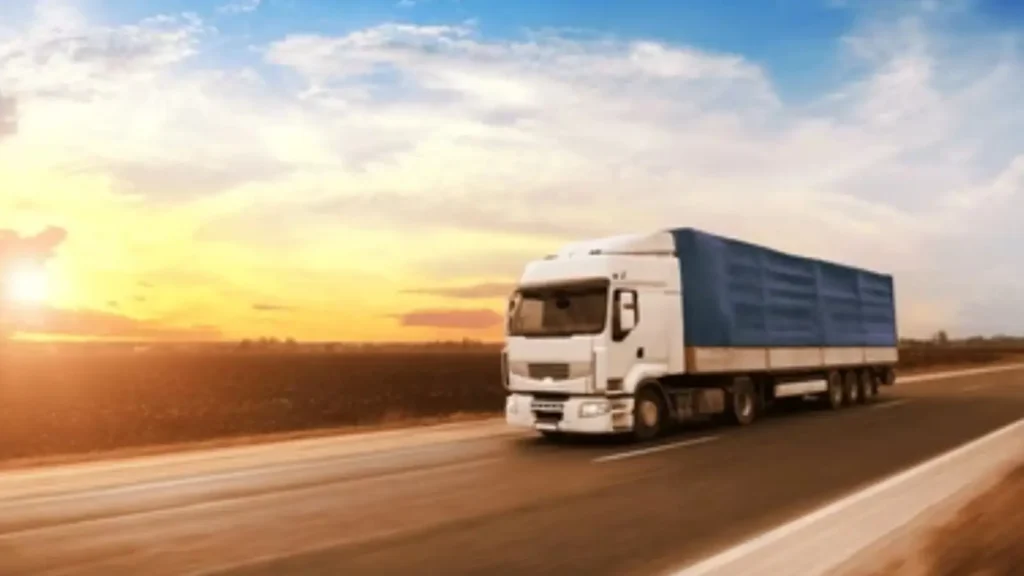
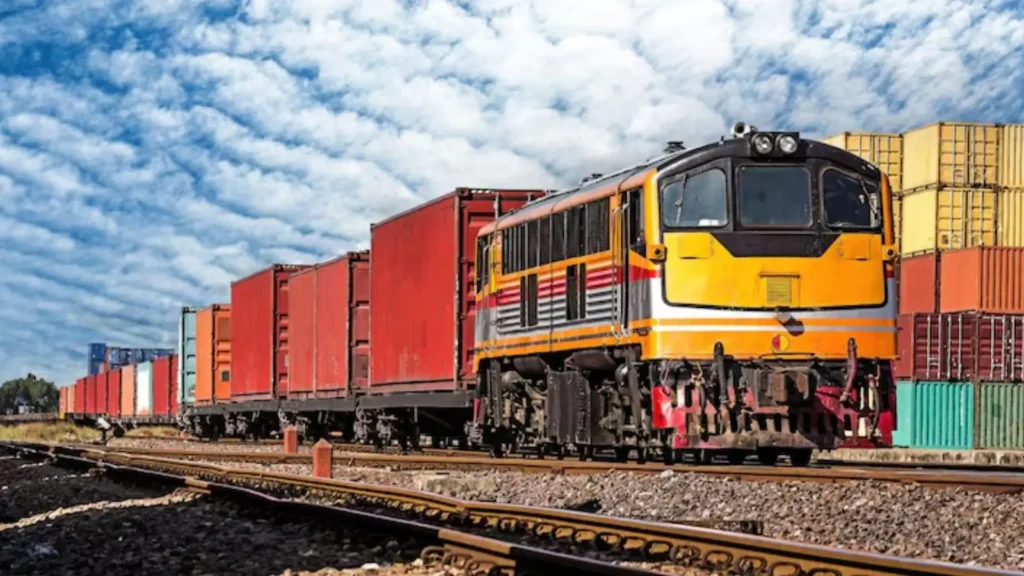
    Bulk cargo movement traditionally places a heavy burden on road infrastructure and the environment. By shifting large volumes to rail and consolidating operations within a dedicated logistics zone, SFA Logistics Park contributes to reduced emissions, lower fuel consumption, and less urban congestion.

  • Sustainable freight movement is not just an environmental goal - it is a business advantage. Rail-centric bulk logistics ensures long-term cost stability while aligning with evolving regulatory and sustainability expectations.
Storage Solutions Tailored for Bulk Commodities

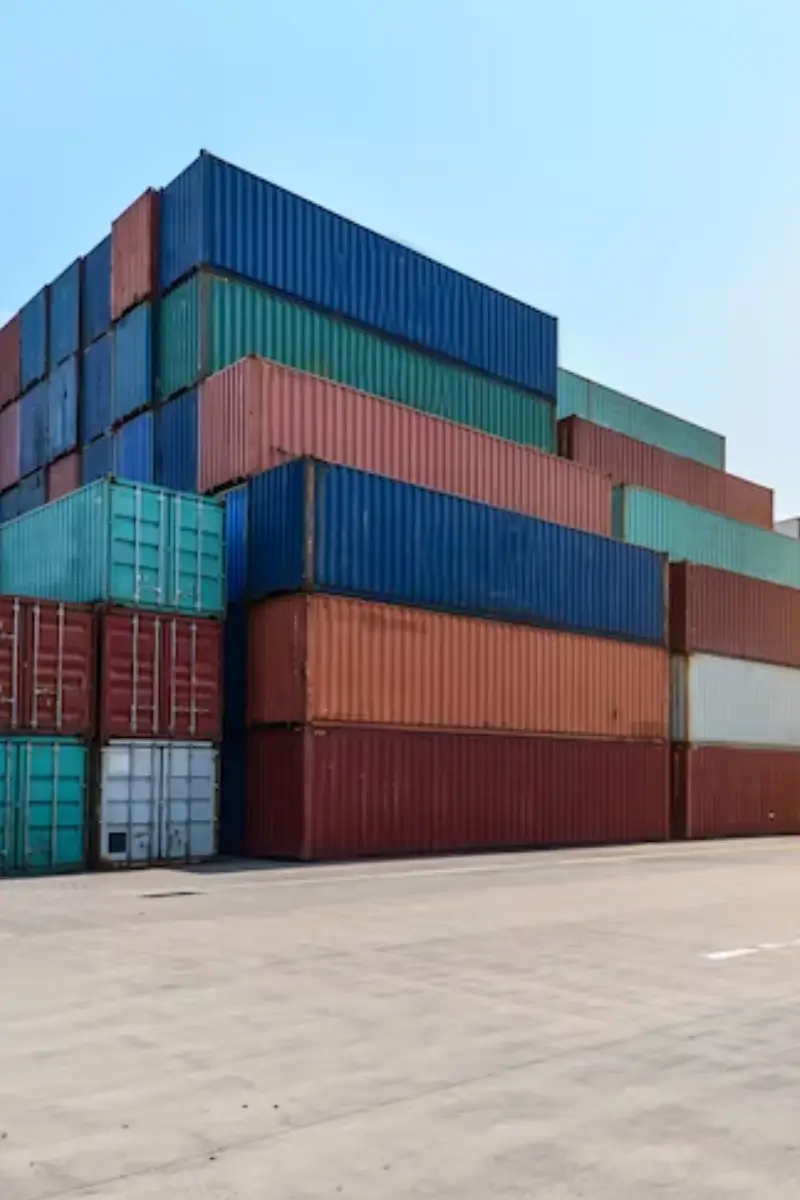
Bulk cargo requires flexible storage solutions that can accommodate different material types and handling methods. SFA Logistics Park offers a combination of open stockyards and covered storage spaces designed to protect cargo quality while enabling easy access for mechanized handling.

Whether it is cement, steel coils, or other industrial inputs, the storage infrastructure is engineered to support safe stacking, efficient loading, and quick dispatch. This capability allows companies to maintain buffer stock close to consumption or dispatch points, reducing supply chain risks and inventory holding costs.

Why Choose SFA Logistics Park for Bulk Commodities?

SFA Logistics Park Pvt. Ltd. stands out as a preferred destination for bulk cargo handling due to its scale, connectivity, and operational efficiency. The park offers industries a single-window solution where storage, handling, and transportation work in unison. This integrated approach transforms bulk logistics from a cost center into a competitive advantage.

FAQs

Bulk commodities refer to goods transported in large quantities without individual packaging, such as cement, steel, minerals, coal, and agricultural inputs. In logistics, these materials require specialized handling, storage yards, and transportation systems designed to manage high volumes efficiently while minimizing loss, damage, and transit delays across the supply chain.

Rail transport plays a crucial role in bulk logistics services because it enables cost-effective, high-volume movement over long distances. Compared to road transport, rail offers better fuel efficiency, lower emissions, reduced congestion, and predictable transit schedules, making it ideal for industries that depend on consistent and large-scale cargo movement.

Integrated logistics combines road, rail, and storage operations into a single coordinated system. For commodities logistics, this reduces multiple handling points, minimizes transit delays, and improves cargo safety. It also enables faster turnaround times and better inventory management, which are critical for industries operating on tight production schedules.

Industries such as steel manufacturing, cement production, infrastructure development, power generation, and heavy engineering depend heavily on bulk commodities logistics. These sectors require uninterrupted supply of raw materials in large volumes, making efficient bulk handling and transportation essential for operational continuity and cost control.

Bulk logistics supports sustainability by promoting rail-based transportation, reducing the number of trucks on roads, and lowering fuel consumption. Efficient commodities logistics also minimizes cargo handling losses and optimizes routes, helping industries achieve both environmental goals and long-term cost efficiency while maintaining reliable supply chains.